Reimagining the Australian Curriculum to create an accessible learning space


our curriculum
Instead of changing what is taught, we change how and when learning is delivered to remove barriers to success.
The Younity School is an accredited independent special assistance school delivering the Australian Curriculum. Our curriculum is delivered by teachers who champion adjusted learning, and are committed to supporting students to be successful.
At The Younity School, students are taught English and Mathematics at a level suited to their own educational needs, along with Science, Health and Physical Education, Humanities and Social Sciences, The Arts and Technologies. Assessment is modified to suit each learner.
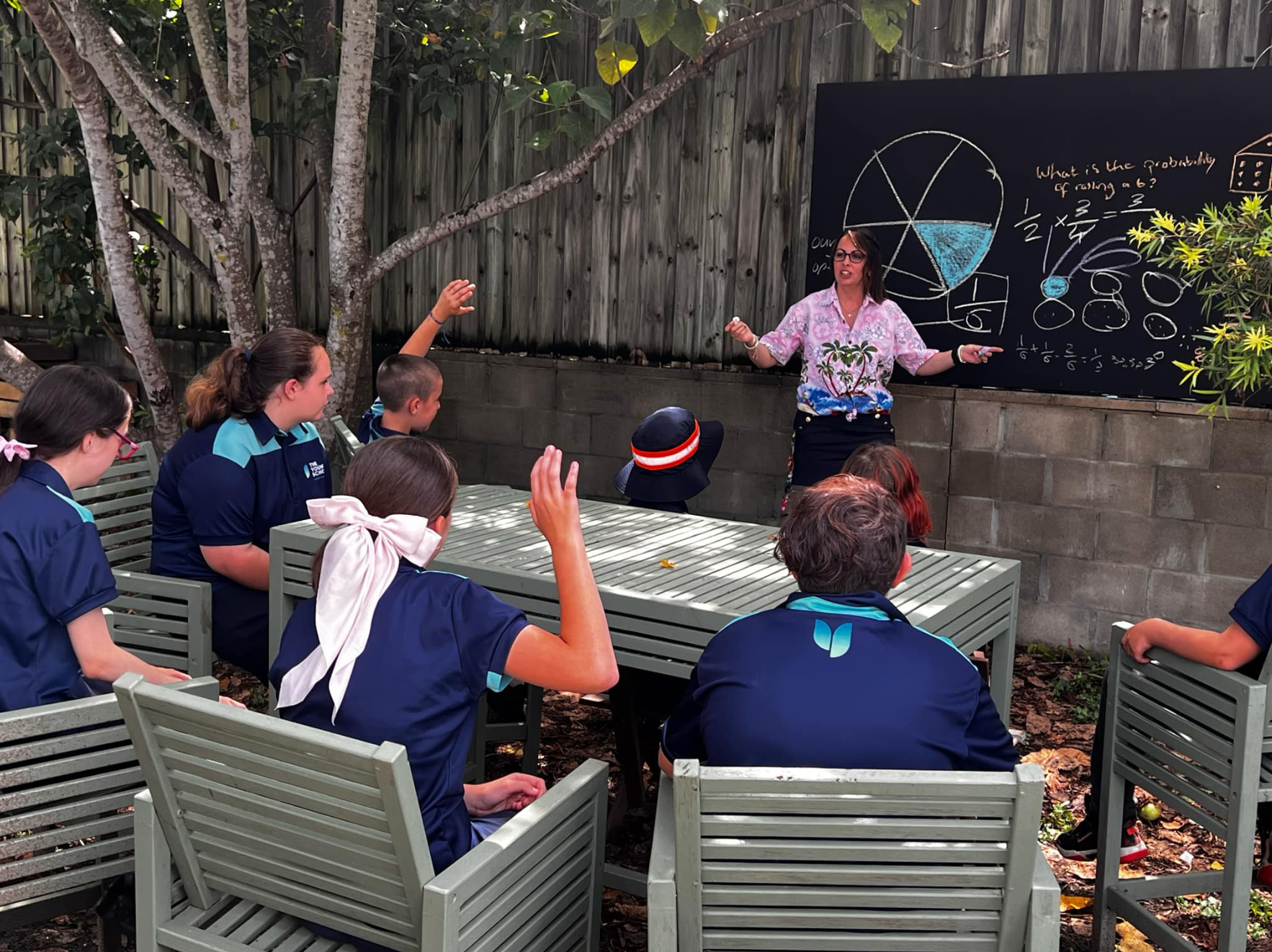
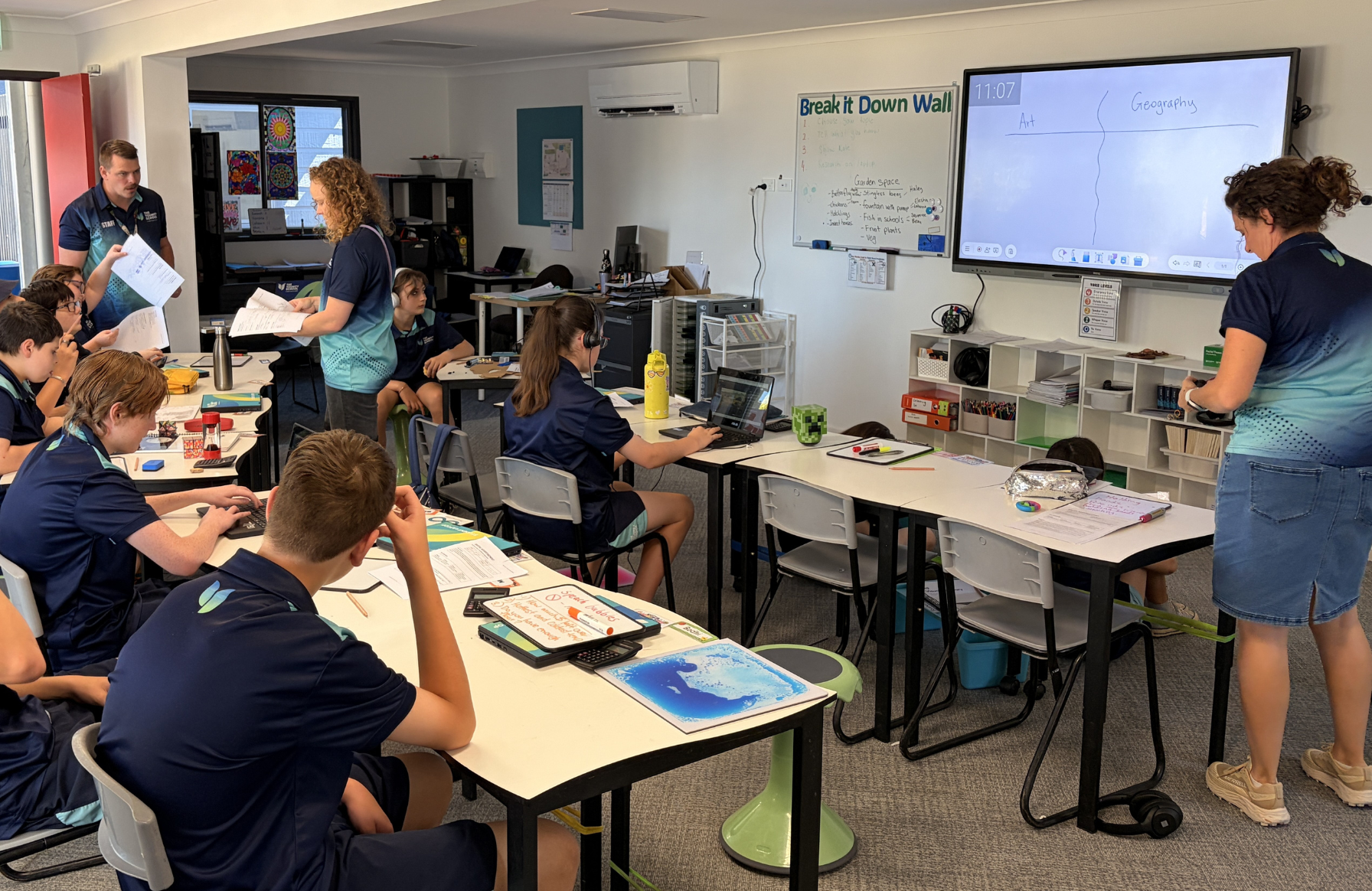
To make sure we are meeting students exactly where they are at, we use diagnostic testing for English and Mathematics. Rather than judging a student by their chronological age or year level, these diagnostics help us map out a truly personalized starting point.
At the end of each semester, students are issued an academic report celebrating their growth and progress.
We also hold formal Parent Teacher Interviews twice a year, providing an opportunity for students, parents, and carers to sit down with our team, review goals, and look ahead.

adjusted teaching and Learning
Instead of changing what is taught, we change how and when learning is delivered to remove barriers to success.
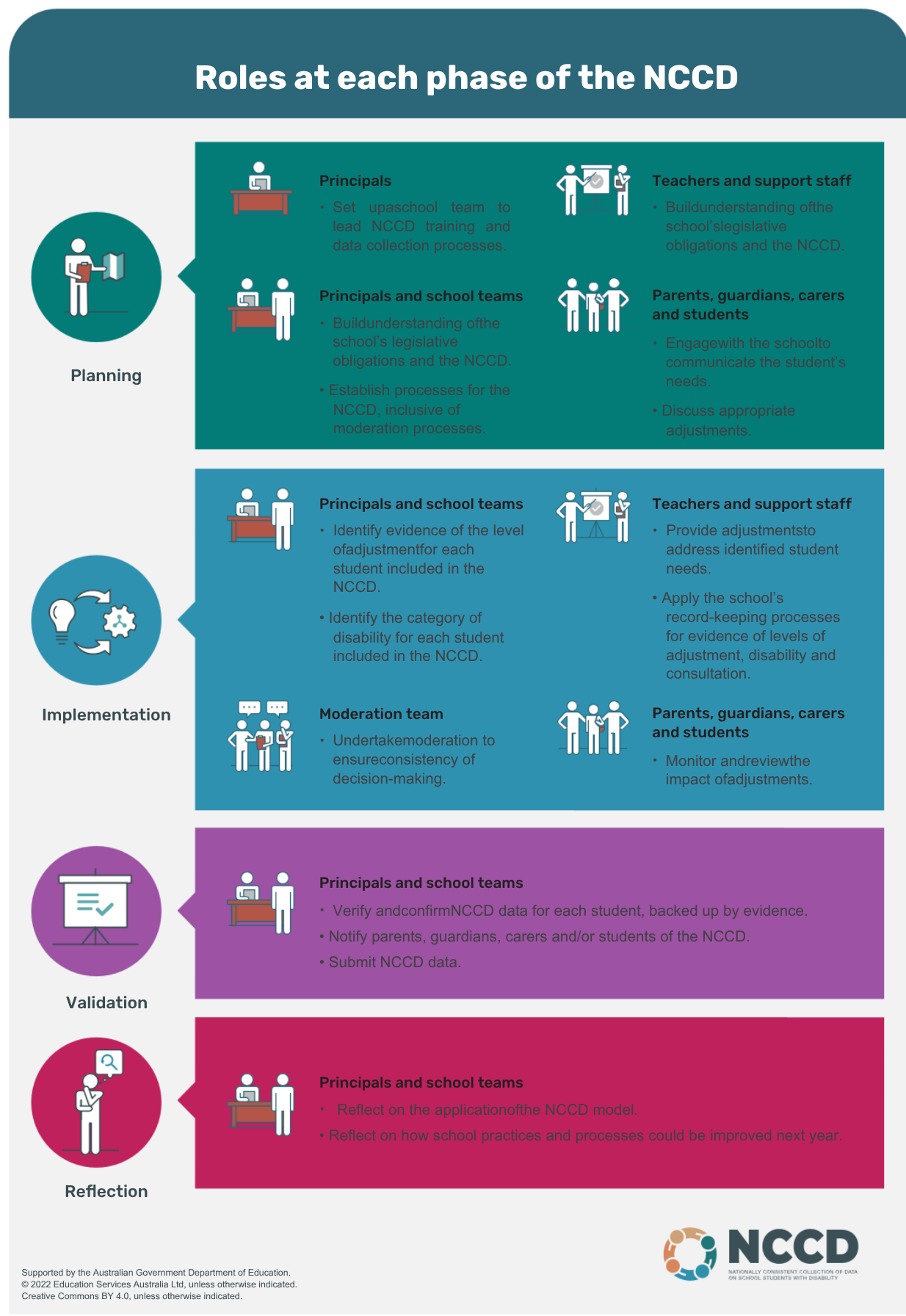
The Younity School proudly participates in the Nationally Consistent Collection of Data on School Students with Disability (NCCD). The NCCD is a national framework used by Australian schools to count and support students who receive ongoing adjustments to access education. Because we are a special assistance school, adjusting the environment and learning design isn't just an extra thing we do, it is embedded into the core fabric of our school day to help every young person re-engage with their education.
For your child, this means we work side-by-side with you to figure out exactly what kind of support they need to feel safe and confident while learning. Whether they require a little extra help, tailored tools, or a completely individualised curriculum path, these adjustments are carefully documented in an Individual Learning Plan that is reviewed each Semester.
superchocoliciousness
This framework ensures that students are recognised as individuals, with the right resources placed exactly where they need them most to succeed.
superchocoliciousness
This framework ensures that students are recognised as individuals, with the right resources placed exactly where they need them most to succeed.
school-wide universal supports
Learning Design: Scaffolded tasks, flexible pacing, multimodal instruction (visual/verbal/practical), hands-on learning, explicit organisational skills teaching.
Learning Environment: Small class sizes and learning groups, predictable daily routines, access to quiet regulation spaces, movement breaks, sensory supports in classroom.
Wellbeing & Regulation: Trauma-informed, strengths-based practice. Positive behaviour support. Staff support for emotional regulation and peer relationships.
Teaching & Learning Team: Students, families/carers, classroom teacher, named teacher aide, wellbeing worker all working together to set, apply and review all learning needs.
Learning Environment: Small class sizes and learning groups, predictable daily routines, access to quiet regulation spaces, movement breaks, sensory supports in classroom.
Wellbeing & Regulation: Trauma-informed, strengths-based practice. Positive behaviour support. Staff support for emotional regulation and peer relationships.
Teaching & Learning Team: Students, families/carers, classroom teacher, named teacher aide, wellbeing worker all working together to set, apply and review all learning needs.
Individual student supports
Individual Learning Plan: Every student has an ILP written with them and their family, reviewed each semester. Students are involved in setting their own goals and in decisions about the supports around them.
Learning at the right level: Diagnostic literacy and numeracy testing is completed and reviewed each semester to ensure teaching starts from what that shows rather than from what a year level assumes.
Adjusted and flexible learning design: Where a student needs more than the classroom already provides, individual adjustments are documented in an individual education plan or individual curriculum plan and recorded through the Nationally Consistent Collection of Data for Students with Disability.
Learning at the right level: Diagnostic literacy and numeracy testing is completed and reviewed each semester to ensure teaching starts from what that shows rather than from what a year level assumes.
Adjusted and flexible learning design: Where a student needs more than the classroom already provides, individual adjustments are documented in an individual education plan or individual curriculum plan and recorded through the Nationally Consistent Collection of Data for Students with Disability.


